Motka
early 18th CENTURY MANUSCRIPT POETRY by AMIR KHUSRAU antique
early 18th CENTURY MANUSCRIPT POETRY by AMIR KHUSRAU antique
Regular price
$549.50 USD
Regular price
$785.00 USD
Sale price
$549.50 USD
Unit price
per
Couldn't load pickup availability
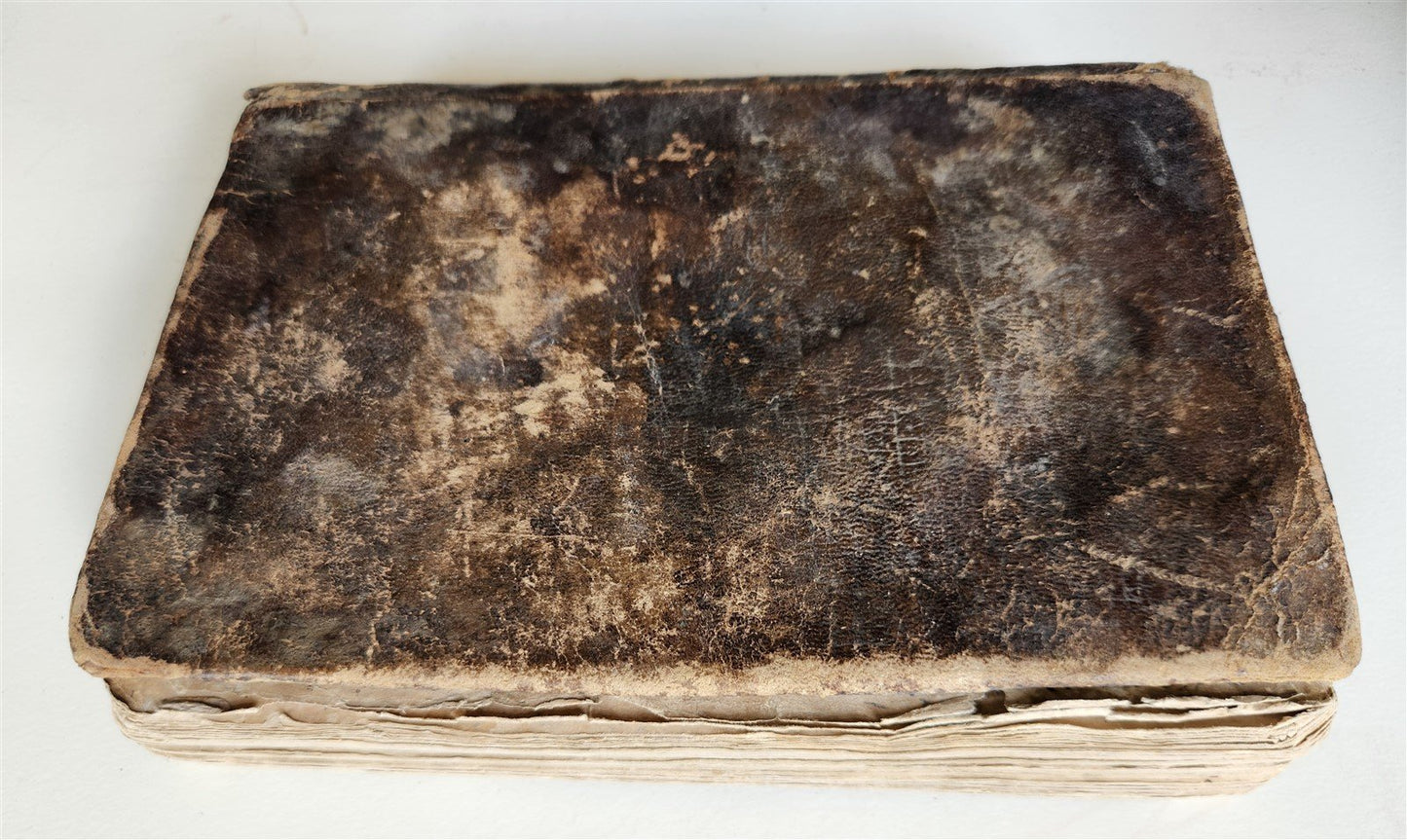
Manusript
POETRY by AMIR KHUSRAU
Early 18th century
Text in two columns, in Farsi
Script: Nasta’liq
Written by Abd'al al-Khusain Khan
Size 5.5 by 8 inches
rare
About 200 leaves (=400 pp)
worn, with spots
nice calligraphy
Purchased in Uzbekistan
========================
Abu'l Hasan Yamīn ud-Dīn Khusrau (1253 – 1325 AD), better known as Amīr Khusrau, sometimes spelled as, Amir Khusrow or Amir Khusro, was an Indo-Persian Sufi singer, musician, poet and scholar, who lived during the period of the Delhi Sultanate.
He is an iconic figure in the cultural history of the Indian subcontinent. He was a mystic and a spiritual disciple of Nizamuddin Auliya of Delhi, India. He wrote poetry primarily in Persian, but also in Hindavi and Punjabi. A vocabulary in verse, the Khaliq Bari, containing Arabic, Persian and Hindavi terms is often attributed to him. Khusrau is sometimes referred to as the "voice of India" or "Parrot of India" (Tuti-e-Hind).
Khusrau is regarded as the "father of qawwali" (a devotional form of singing of the Sufis in the Indian subcontinent), and introduced the ghazal style of song into India, both of which still exist widely in India and Pakistan.
Khusrau was an expert in many styles of Persian poetry which were developed in medieval Persia, from Khagani's qasidas to Nizami's khamsa. He used 11 metrical schemes with 35 distinct divisions. He wrote in many verse forms including ghazal, masnavi, qata, rubai, do-baiti and tarkib-band. His contribution to the development of the ghazal was significant.
=======================
Manusript
POETRY by AMIR KHUSRAU
Early 18th century
Text in two columns, in Farsi
Script: Nasta’liq
Written by Abd'al al-Khusain Khan
Size 5.5 by 8 inches
rare
About 200 leaves (=400 pp)
worn, with spots
nice calligraphy
Purchased in Uzbekistan
========================
Abu'l Hasan Yamīn ud-Dīn Khusrau (1253 – 1325 AD), better known as Amīr Khusrau, sometimes spelled as, Amir Khusrow or Amir Khusro, was an Indo-Persian Sufi singer, musician, poet and scholar, who lived during the period of the Delhi Sultanate.
He is an iconic figure in the cultural history of the Indian subcontinent. He was a mystic and a spiritual disciple of Nizamuddin Auliya of Delhi, India. He wrote poetry primarily in Persian, but also in Hindavi and Punjabi. A vocabulary in verse, the Khaliq Bari, containing Arabic, Persian and Hindavi terms is often attributed to him. Khusrau is sometimes referred to as the "voice of India" or "Parrot of India" (Tuti-e-Hind).
Khusrau is regarded as the "father of qawwali" (a devotional form of singing of the Sufis in the Indian subcontinent), and introduced the ghazal style of song into India, both of which still exist widely in India and Pakistan.
Khusrau was an expert in many styles of Persian poetry which were developed in medieval Persia, from Khagani's qasidas to Nizami's khamsa. He used 11 metrical schemes with 35 distinct divisions. He wrote in many verse forms including ghazal, masnavi, qata, rubai, do-baiti and tarkib-band. His contribution to the development of the ghazal was significant.
=======================
========================
Abu'l Hasan Yamīn ud-Dīn Khusrau (1253 – 1325 AD), better known as Amīr Khusrau, sometimes spelled as, Amir Khusrow or Amir Khusro, was an Indo-Persian Sufi singer, musician, poet and scholar, who lived during the period of the Delhi Sultanate.
He is an iconic figure in the cultural history of the Indian subcontinent. He was a mystic and a spiritual disciple of Nizamuddin Auliya of Delhi, India. He wrote poetry primarily in Persian, but also in Hindavi and Punjabi. A vocabulary in verse, the Khaliq Bari, containing Arabic, Persian and Hindavi terms is often attributed to him. Khusrau is sometimes referred to as the "voice of India" or "Parrot of India" (Tuti-e-Hind).
Khusrau is regarded as the "father of qawwali" (a devotional form of singing of the Sufis in the Indian subcontinent), and introduced the ghazal style of song into India, both of which still exist widely in India and Pakistan.
Khusrau was an expert in many styles of Persian poetry which were developed in medieval Persia, from Khagani's qasidas to Nizami's khamsa. He used 11 metrical schemes with 35 distinct divisions. He wrote in many verse forms including ghazal, masnavi, qata, rubai, do-baiti and tarkib-band. His contribution to the development of the ghazal was significant.